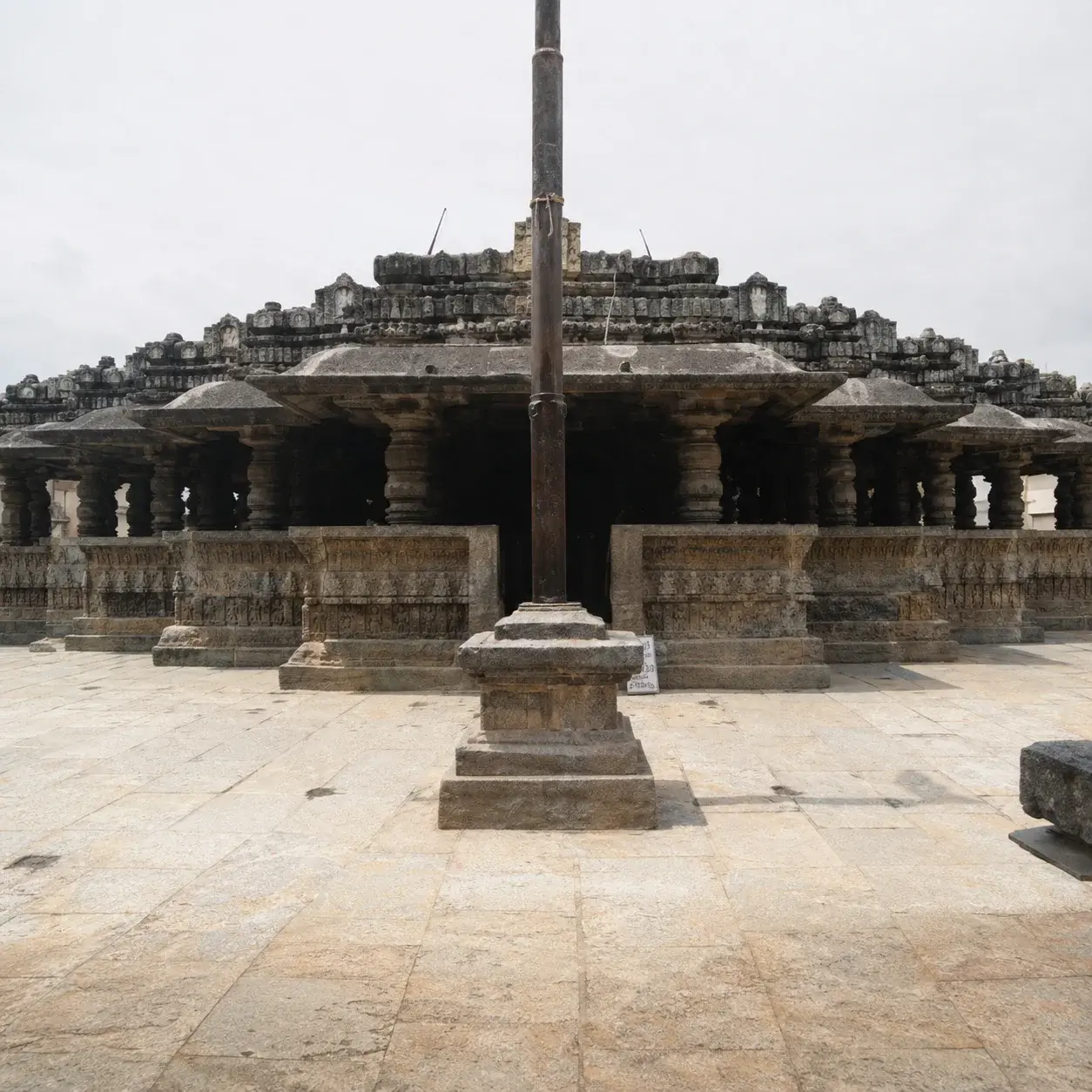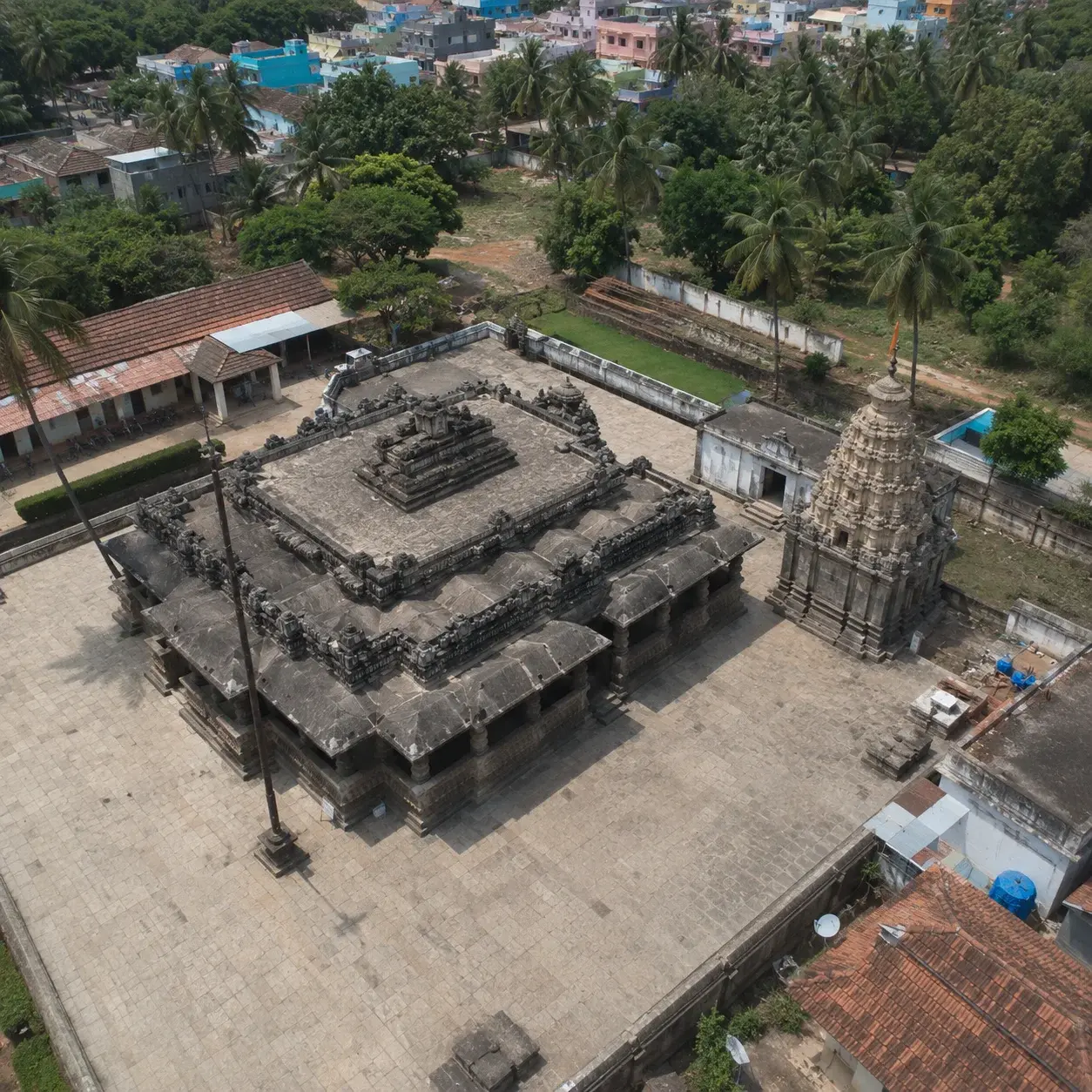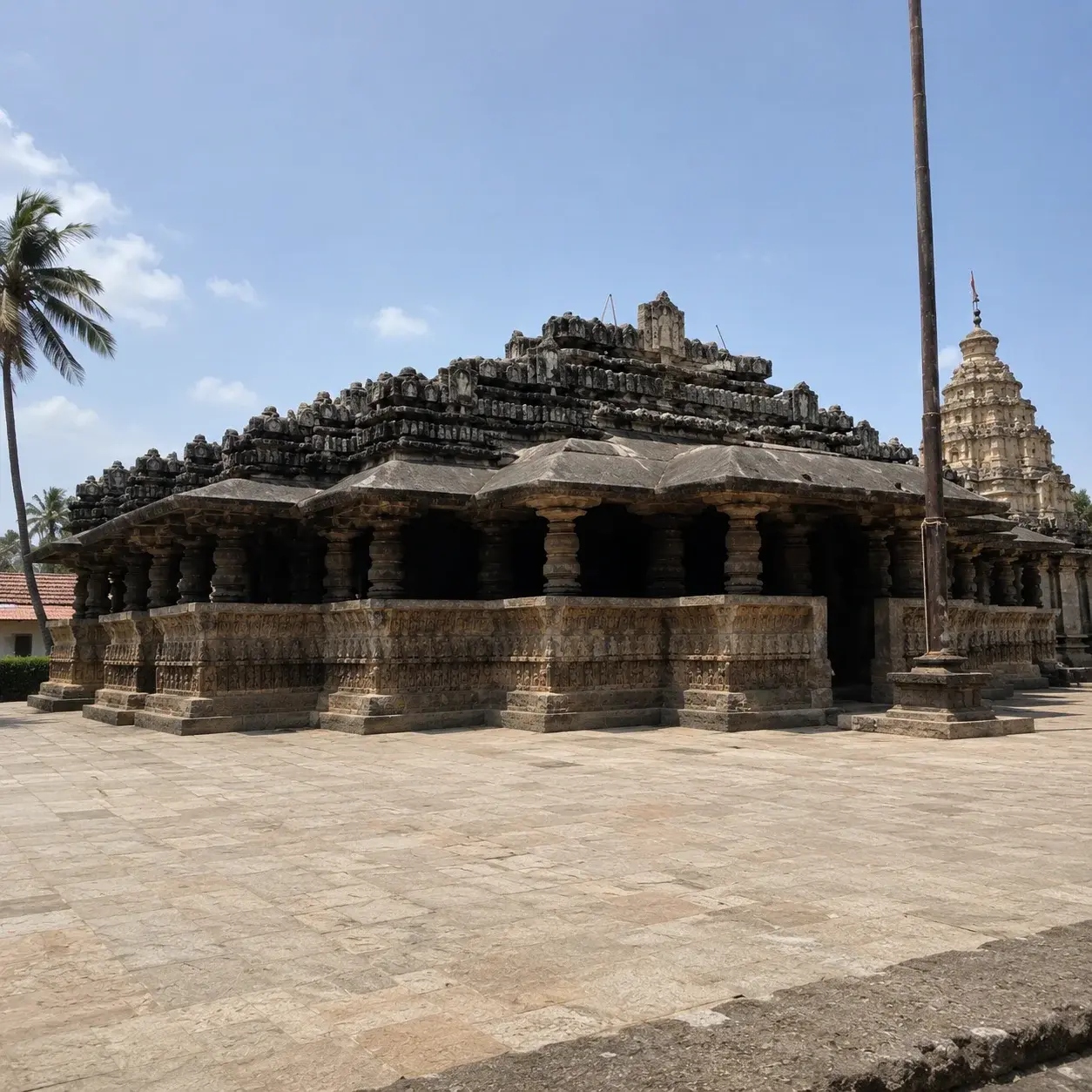
Harihara Temple
ଲିଙ୍ଗରାଜ ମନ୍ଦିର
Harihara (Combined form of Shiva and Vishnu) · Bhubaneswar, Odisha
✓ VerifiedHeritage★ 4.735,000 reviews20,000 visits
About the temple
Largest and most sacred temple in Bhubaneswar; a masterpiece of Kalinga architecture. Liberation (Moksha), spiritual purification; essential stop before visiting Puri.
Temple information
- Darshan timings
- 06:00 – 21:00
- Established
- 11
- Best time to visit
- Early morning or during Evening Aarti
- Entry fee
- Free
Deity
Harihara (Combined form of Shiva and Vishnu) · ହରିହର
- Deity form
- Swayambhu Linga (Natural granite, 8ft diameter)
- Religious tradition
- Harihara Tradition / Sanatana Dharma
- Sanskrit name
- श्री लिङ्गराज मନ୍ଦିର
- Also known as
- Harihara Temple, Tribhuvaneshwara, Ekamra Kshetra, Krutibasa, Bada Deula (Bhubaneswar)
Darshan hours
- Daily
- 06:00 - 21:00
- Break timings
- 12:00 PM - 03:30 PM (Sanctum often closed for rituals)
- Special days
- Open overnight during Maha Shivaratri
- Festival timings
- Extended hours during Jagar (up to 24 hours)
Aarti & rituals
- Morning aarti
- 06:30
- Midday aarti
- 12:30
- Evening aarti
- 19:00
- Night aarti
- 20:30
- Special aarti days
- Mondays, Shivaratri
- Ritual schedule
- Mangala Alati, Abhisheka, Sakala Dhupa, Sandhya Dhupa, Bada Singhara
- Pooja timings
- Specific Nitis are performed by Badu and Panda servitors.
- Abhishek timings
- Early morning (06:30 AM - 08:00 AM)
- Special poojas
- Rudrabhishek, Mahamrityunjay Jaap
- Online pooja booking
- No
History & heritage
- Historical period
- Medieval
- Built by
- Somavamsi Dynasty (King Jajati Keshari / Yayati II)
- Architect / builder
- Unknown (attributed to Jajati Keshari)
- Construction materials
- Sandstone and Laterite
- Historical events
- Shift of capital from Jajpur to Bhubaneswar by Jajati Keshari.
- Renovations
- Additions of Natamandira and Bhogamandapa in the 12th-14th centuries.
- Archaeological importance
- Archaeological Survey of India (ASI) Protected
- Legends
- Legend of the demons Kritti and Vasa crushed by Goddess Parvati.
- Inscriptions
- Inscriptions from Ganga kings and Anangabhima Deva.
Architecture
- Architectural style
- Dravidian
- Architectural period
- 11th Century
- Structure
- Complex (Vimana, Jagamohana, Natamandira, Bhogamandapa)
- Floors
- 50
- Gopuram
- Rekha Deula (Curvilinear spire) with a massive Amalaka and Kalasha.
- Mandapa
- Pillared halls with exquisite carvings of dancers and musicians.
- Sculptural features
- Intricate carvings of deities, Gaja-Simha motifs, and nayikas.
- Artistic elements
- Detailed relief work on the vimana and door frames.
- Construction technique
- Dry masonry with precise stone joining.
- Unique features
- The flag atop the temple points in a direction unique to local wind patterns.
Festivals & events
Maha Shivaratri (Jagar)Ashokashtami Rath Yatra (Rukuna Rath)
- Festival calendar
- Lunar (Chaitra and Phalguna months)
- Special celebration days
- Chandan Yatra, Prathamashtami
- Cultural events
- Bhajan programs during Shivaratri
- Annual events
- Rukuna Rath Yatra (April)
- Peak crowd season
- February - March (Shivaratri), April (Rath Yatra)
Visitor information
- ✓ Parking
- ✓ Restrooms
- ✓ Drinking water
- ✓ Shoe keeping
- ✓ Prasadam counter
- ✓ Annadanam
- Entry fee
- Free
- Dress code
- Traditional
- Best time to visit
- Early morning or during Evening Aarti
- Parking capacity
- 300+
- Parking fees
- ₹20 - ₹50
- Donation counters
- Yes
- Donation methods
- Cash/UPI/Check
- Prasadam
- Abada (Rice, Dal, Khechudi), Kora (Coconut sweets)
Gallery