
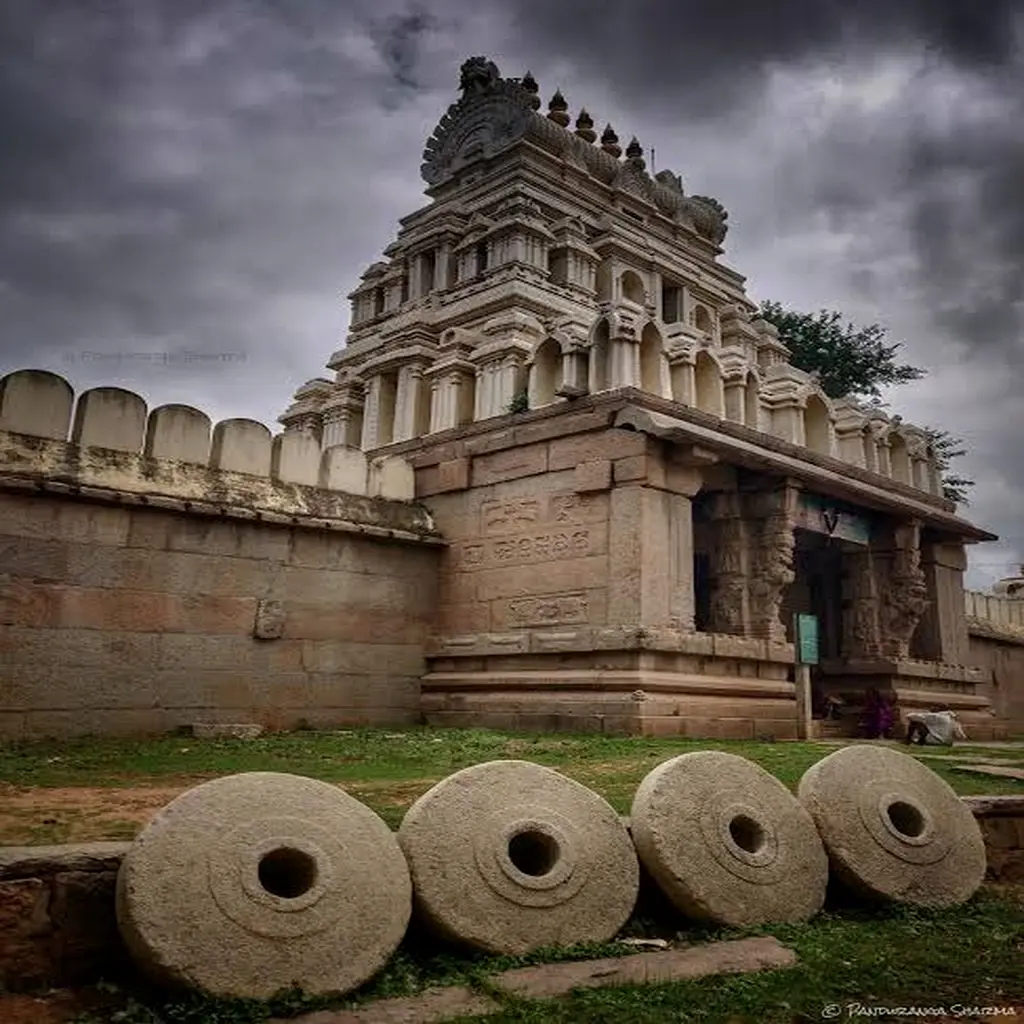
Kaidala Shri Chennakeshava Swamy Temple
ಶ್ರೀ ಚೆನ್ನಕೇಶವ ದೇವಸ್ಥಾನ, ಕೈದಾಳ
Lord Maha Vishnu · Tumakuru, Karnataka
Ancient
About the temple
Legendary birthplace and workspace of the master sculptor Jakanachari Artistic inspiration, devotion, and divine grace
Temple information
- Darshan timings
- 07:00 – 19:30
- Established
- 12
- Best time to visit
- Early morning hours on mid-week non-festival days to experience a peaceful darshan atmosphere
Deity
Lord Maha Vishnu · തിരുനെല്ലിപ്പെരുമാൾ (Thirunelli Perumal)Goddess LakshmiAlwarsJanardhana Swamy
- Deity form
- Exquisitely sculpted standing figure of Lord Vishnu
- Religious tradition
- Sri Vaishnava
- Sanskrit name
- Sri Chennakeshavaswamy Temple
- Also known as
- Kidingala Temple, Chennarayanaswamy Temple
Darshan hours
- Daily
- 07:00 AM - 07:30 PM
- Break timings
- 12:30 PM to 04:00 PM
- Special days
- 06:00 AM - 08:30 PM
- Festival timings
- 06:00 AM to 09:00 PM
Aarti & rituals
- Morning aarti
- 08:00 AM
- Midday aarti
- 12:00 PM
- Evening aarti
- 06:30 PM
- Special aarti days
- Saturdays, Ekadashi
- Ritual schedule
- Suprabhata, Thirumanjanam, Maha Mangalarathi
- Pooja timings
- 09:00 AM - 05:00 PM
- Abhishek timings
- 08:30
- Special poojas
- Available
- Online pooja booking
- No
History & heritage
- Historical period
- Ancient
- Built by
- Hoysala Empire (King Narasimha I)
- Architect / builder
- Master sculptor Jakanachari and local guilds
- Construction materials
- Soapstone (chloritic schist) and granite
- Historical events
- Legend states Jakanachari carved the main deity here after recovering his right hand
- Renovations
- Conserved and restored by state archaeology departments and local committees
- Archaeological importance
- Important Hoysala architectural monument displaying classical iconography and sculptor signatures
- Legends
- Closely tied to the folklore of Amarashilpi Jakanachari and his son Dankanachari
- Inscriptions
- Inscriptions detailing historical land endowments and builder history
Architecture
- Architectural style
- Dravidian
- Architectural period
- Classical Hoysala structural phase
- Structure
- Ekakuta (single-shrined) temple with a closed navaranga and porch
- Floors
- 1
- Gopuram
- Traditional entrance structure with modest tower elements
- Mandapa
- Lathe-turned soapstone pillars with ornate bracket designs
- Sculptural features
- Fine figures of deities, floral motifs, and detailed wall panels
- Artistic elements
- Intricate scrollwork and miniature tower reliefs on exterior walls
- Construction technique
- Interlocking dry masonry using high-grade soapstone blocks
- Unique features
- Associated directly with the legendary sculptor Jakanachari
Festivals & events
Vaikunta EkadashiSri Ramanavamiannual Rathotsava
- Festival calendar
- Aligned with the traditional Hindu calendar
- Special celebration days
- Saturdays and Ekadashi
- Cultural events
- Classical music recitals during annual temple celebrations
- Annual events
- Annual chariot festival (Rathotsava) and Ramanavami celebrations
- Peak crowd season
- October to March, and school vacation periods
Visitor information
- ✓ Parking
- ✓ Restrooms
- ✓ Drinking water
- ✓ Shoe keeping
- ✓ Prasadam counter
- Dress code
- Traditional
- Best time to visit
- Early morning hours on mid-week non-festival days to experience a peaceful darshan atmosphere
- Parking capacity
- 20-30 vehicles
- Parking fees
- Approx. 20-50 INR
- Donation counters
- Yes
- Donation methods
- Cash, UPI, Bank Transfer
- Prasadam
- Laddu; Pulihora