
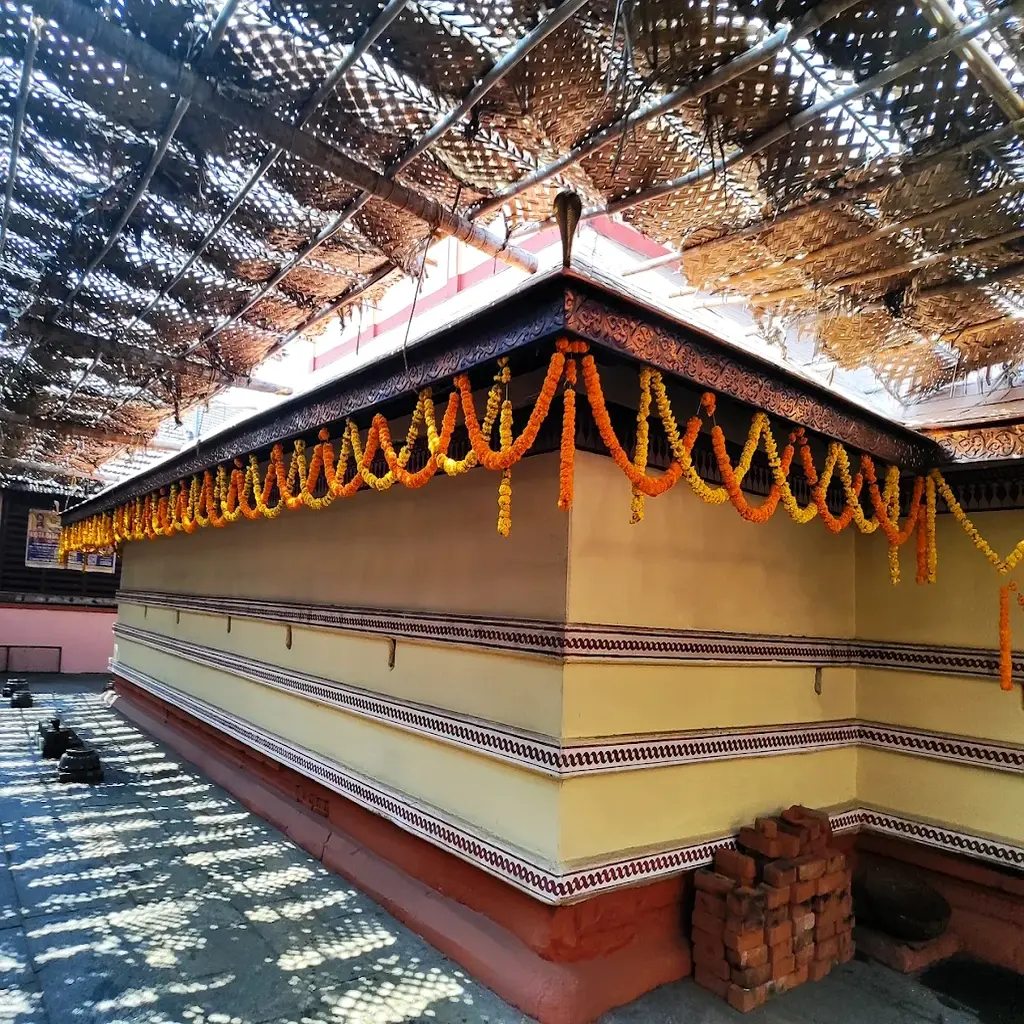
Shri Anantheshwara Temple
ಶ್ರೀ ಅನಂತೇಶ್ವರ ದೇವಾಲಯ
Lord Parasurama · Udupi, Karnataka
Ancient★ 4.826,000 reviews8,000 visits
About the temple
The oldest temple in Udupi town (older than the Sri Krishna Matha); built on the legendary Rajata Peetha (silver seat); sacred monument where the great philosopher Sri Madhvacharya imparted the Aitareya Upanishad to his disciples and disappeared in a shower of celestial flowers in 1317 CE. Traditional belief: Visiting Ananteshwar is a mandatory prelude before Sri Krishna darshan; bestows mastery of philosophy, eradication of ignorance, and liberation.
Temple information
- Darshan timings
- 05:00 – 20:30
- Established
- 8
Deity
Lord ParasuramaGanesha Family
- Deity form
- Ancient Swayambhu Shiva Lingam on a silver pedestal (Rajata Peetha) symbolizing Lord Parashurama
- Religious tradition
- Vedic Dvaita & Agamic Tradition; sacred site where Sri Madhvacharya taught and disappeared
- Sanskrit name
- श्री अनन्तेश्वर मन्दिरम्
- Also known as
- Udupi Ananteshwara Gudi, Rajatapeethapura Temple, Parasurama Kshethra Ananteshwar
Darshan hours
- Daily
- 05:00 AM - 01:30 PM, 04:30 PM - 08:30 PM
- Break timings
- 01:30 PM - 04:30 PM
- Special days
- Madhva Navami, Maha Shivaratri, Paryaya: 04:00 AM - 10:30 PM
- Festival timings
- Open till 10:30 PM on Madhva Navami and Shivaratri
Aarti & rituals
- Morning aarti
- 06:30 AM
- Midday aarti
- 12:00 PM
- Evening aarti
- 07:00 PM
- Night aarti
- 8:15 PM
- Special aarti days
- Madhva Navami, Maha Shivaratri, Mondays, Ekadashi
- Ritual schedule
- Nirmalya Visarjana, Ksheerabhishekam, Bilvarchana, Madhva Peetha Namaskara, Sandhya Deeparadhana
- Pooja timings
- 05:30 AM - 01:00 PM, 05:00 PM - 08:00 PM
- Abhishek timings
- 06:00 AM - 08:30 AM
- Special poojas
- Available
- Online pooja booking
- Yes
History & heritage
- Historical period
- Medieval
- Built by
- Alupas of Coastal Karnataka; nurtured by Sri Madhvacharya and the Ashta Mathas of Udupi
- Architect / builder
- Traditional coastal stone and timber guild artisans
- Construction materials
- Laterite stone masonry, dressed black basalt sanctum, copper tile roofs, teakwood pillars
- Historical events
- In 1317 CE, Jagadguru Sri Madhvacharya delivered his final discourse on the Mandukya/Aitareya Upanishad at this spot before departing from mortal vision
- Renovations
- Conserved under the management of the Ashta Mathas and Karnataka Muzrai Department
- Archaeological importance
- The ancient epicenter around which the sacred township of Udupi and Car Street developed
- Legends
- King Ramabhoja performed Ashwamedha sacrifice on a silver seat (Rajata Peetha) where Parashurama manifested in the Lingam
- Inscriptions
- Stone epigraphs dating from the 10th to 14th century recording grants by Alupa and Hoysala monarchs
Architecture
- Architectural style
- Dravidian
- Architectural period
- 8th Century CE foundations with 13th-14th Century CE modifications
- Structure
- Traditional rectangular courtyard temple with inner sanctum, timber cloister hall, and sacred spot of Madhvacharya marked by a granite seat
- Floors
- 1
- Gopuram
- Two-tiered sloping copper-clad roof shikhara with golden stupis
- Mandapa
- Pillared wooden hall supported by heavy teakwood pillars with carved bracket figures
- Sculptural features
- Swayambhu Shiva Lingam on silver-plated altar, carved stone Nandi, and the consecrated stone slab where Sri Madhvacharya sat
- Artistic elements
- Intricately carved wooden ceiling rafters, hanging brass deepas, and silver doorframes
- Construction technique
- Interlocking laterite block masonry with fine timber woodwork built for humid coastal climate
- Unique features
- Devotees visiting Udupi must first visit Chandramouleeshwara and Ananteshwar before entering the Sri Krishna temple
Festivals & events
- Festival calendar
- Magha Shukla Navami (Madhva Navami), Magha Bahula Chaturdashi (Shivaratri)
- Special celebration days
- Every Monday, Ekadashi, Purnima
- Cultural events
- Scholarly Vidwat Goshthis, Haridasa devotional singing, and classical Carnatic concerts
- Annual events
- Grand Rathotsavam around Car Street during festival months
- Peak crowd season
- October to February, especially during Paryaya (January) and Madhva Navami
Visitor information
- ✓ Parking
- ✓ Restrooms
- ✓ Drinking water
- ✓ Shoe keeping
- ✓ Prasadam counter
- ✓ Photography allowed
- Parking capacity
- 100+ Vehicles
- Parking fees
- Approx. 20-50 INR
- Donation counters
- Yes
- Donation methods
- Cash, UPI, Bank Transfer
- Prasadam
- Vibhuti/Kumkum.